

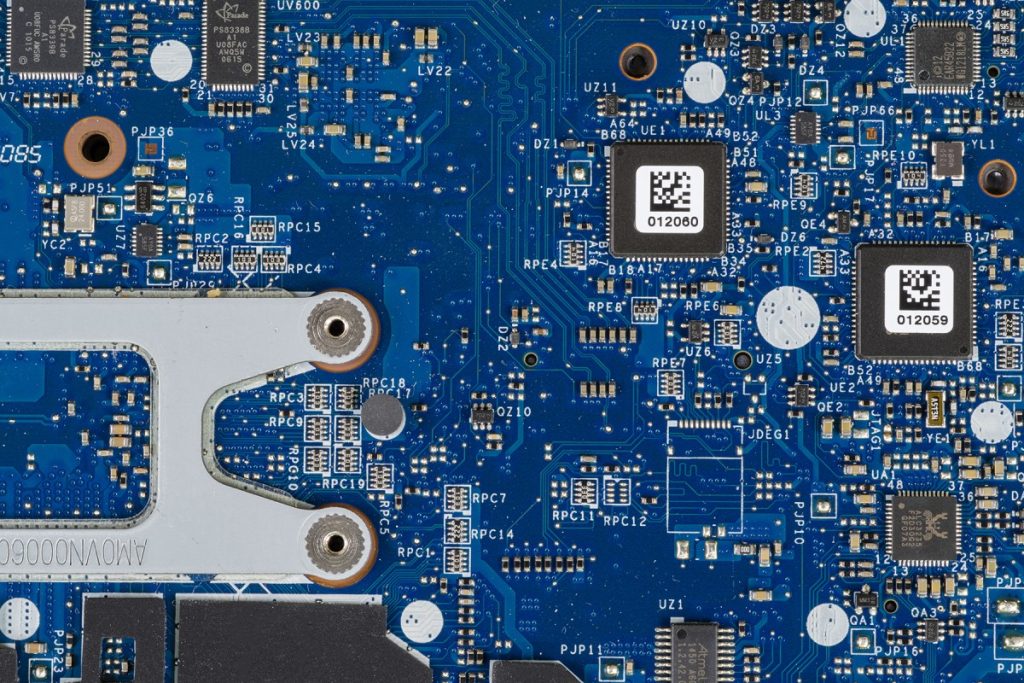
In the world of electronic components, ensuring labels and markings can withstand harsh cleaning chemicals is often a critical requirement.
By Ralph Rhein, Technical Director IDENTCO
 Maintaining cleanliness is essential in electronics manufacturing, particularly for applications involving printed circuit boards (PCBs) and other vital components. Industry best practices call for stringent cleaning protocols to eliminate contaminants before assembly, housing closure, or integration. However, these rigorous cleaning measures pose a challenge for labels and markings, which must endure exposure to aggressive chemicals without degrading in readability or durability.
This creates a manufacturing dilemma: achieving both impeccable cleanliness and robust labeling—meaning durable adhesion and legibility—two equally necessary but often conflicting priorities. Unfortunately, cleaning processes can compromise labeling effectiveness, often forcing manufacturers to choose between them.
Fortunately, there are solutions to this problem — let’s take a closer look.
The Role of Labels and Markings in Electronics
Labels and markings play an essential role in identifying, tracking, and ensuring the functionality of electronic components. They contain vital details such as part numbers, serial numbers, manufacturing dates, safety instructions, and operating directions. Additionally, regulatory and intra-industry standards demand precise labeling for compliance and traceability, especially in sectors like automotive, aerospace, and electronic medical devices.
In environments where cleanliness is paramount—such as medical or aerospace electronics—labels must remain legible and intact despite exposure to harsh cleaning agents. If label integrity is compromised, it can lead to misidentification, operational errors, compliance violations, and quality or safety concerns.
The Impact of Harsh Cleaning Chemicals
Electronics manufacturing often employs powerful cleaning agents such as solvents, detergents, and disinfectants to remove contaminants like flux residues, soldering byproducts, oils and grease. These chemicals ensure the reliability of electronic assemblies but can also introduce significant challenges for labels and markings.
One major issue is chemical resistance. Traditional label materials—such as paper-based or standard adhesive labels—often degrade upon exposure to aggressive cleaning solutions. This can lead to smudging, fading, or even the complete removal of printed information.
Adhesion is another critical concern. Harsh chemicals can weaken the bond between the label and the component surface, causing peeling or detachment during cleaning or handling. Additionally, legibility can be compromised, with printed information becoming blurred or distorted, making it difficult to read or scan crucial data.
Beyond these chemical interactions, physical wear and tear is another risk. Labels can suffer abrasions, nicks, wrinkling or other damage, even being altogether removed, from cleaning procedures like scrubbing or high-pressure washing. Even if a label remains functional, any visible deterioration can raise concerns for customers who expect labels to meet high durability standards. Manufacturers aim for labels that not only survive cleaning tests but do so without signs of wear.
Innovative Solutions for Greater Durability
To overcome these challenges, leading manufacturers have introduced specialized labeling and marking solutions engineered to withstand harsh cleaning conditions. These innovations incorporate advanced materials, adhesives, and printing technologies to maintain durability, chemical resistance, and legibility.
A key advancement is the development of chemical-resistant labeling materials. High-performance substrates like polyimide and polyester offer superior resistance to various chemicals, including solvents, alcohols, and cleaning solutions from industry providers like Kyzen and Zestron. These materials preserve their integrity and readability even after extended exposure to cleaning agents. However, it is important to note that polyester can only sustain temperatures up to 180 degrees Celsius.
Alongside these materials, next-generation adhesives play a crucial role. Pressure-sensitive adhesives with enhanced chemical resistance provide a secure bond between labels and substrates, preventing peeling or detachment even under demanding cleaning conditions.
Printing technology has also evolved to meet the needs of modern electronics manufacturing. Techniques such as thermal transfer printing and digital barcoding facilitate automated tracking and inventory management, reducing human error and ensuring accurate identification. Additionally, labels designed for on-demand thermal transfer printing enable electronics companies to include variable data, such as serialization and anti-counterfeiting codes, directly into their production processes.
Conclusion
In electronics manufacturing, where cleanliness directly affects product reliability and performance, labels must withstand exposure to aggressive cleaning chemicals while maintaining their function and legibility. Innovative solutions incorporating chemical-resistant materials, durable adhesives, advanced printing methods, and protective coatings ensure that labels remain intact and readable, even after rigorous cleaning processes.
Encouragingly, as these durable labeling technologies continue to evolve, they are also becoming more cost-effective. This makes the return on investment even more attractive, as it significantly reduces the likelihood of product failures. By adopting these enhanced labeling solutions, electronics manufacturers can improve product quality, compliance, and traceability—leading to higher customer satisfaction and viable business growth in the ever-expanding electronics sector.