



By Sravani Bhattacharjee, TTI MarketEye
 The Internet of Things (IoT), artificial intelligence (AI) and advancements in wearable and biometric technologies are driving new healthcare trends, making patient care more effective and affordable. Medical devices integrated with AI can process thousands of medical images in seconds, accelerating diagnostics and disease management. The Internet of Medical Things (IoMT) connects apps, devices, patients and providers, fostering deeper engagement for improved patient outcomes.
Healthcare innovations and a globally aging population have set the medical device industry on a growth trajectory with a CAGR of 6.5%. It is projected to reach $886 billion in 2032 from its current size of $572 billion.
Innovations on multiple fronts are requiring smarter medical devices.
Rise of Telemedicine
Telemedicine is one of the major drivers of healthcare innovation. Telemedicine is more than online medical counseling. It involves remote patient monitoring (RPM), diagnostics and therapeutic functions leveraging IoMT devices.
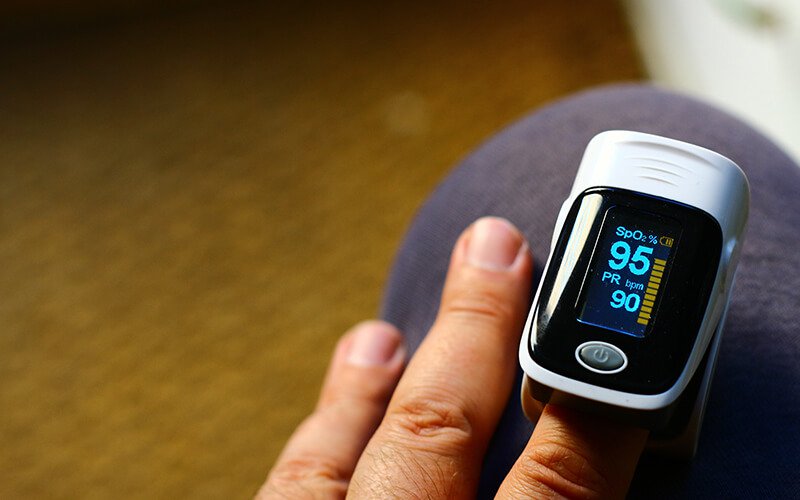
RPM relies on devices monitoring various physiological vitals (smartwatches, glucose monitors, insulin pumps, ECG machines, pulse-oximeters and blood pressure meters). More sophisticated and precision-driven RPM use cases include smart prosthetics and implantable cardiac monitors. IoMT devices use telemedicine sensors to collect and transmit patient data to cloud-based analytics platforms. Real-time patient analytics improve diagnosis, enabling doctors to detect health issues early and precisely.
Advances in telemedicine sensors facilitate robust RPM technologies, including multiple platforms on which healthcare professionals can monitor patients in real time. This makes healthcare more effective and affordable for patients, requiring close monitoring without extended hospital stay. As these devices become more sophisticated and cost-effective, we can expect a growth in hospital-at-home care. Hospital-at-home facilities reduce strain on healthcare resources by decreasing hospitalizations and emergency room visits.
Patients leveraging telemedicine receive quality healthcare even when living in remote areas with limited access to medical specialists. Telemedicine makes healthcare equitable, narrowing the healthcare access gap between urban and rural areas and across different socioeconomic groups, further underscoring the critical role of telemedicine sensors.
Increased Demand for AI-integration
AI has evolved several applications, and healthcare is no exception. Integrating AI components in medical devices has shown improved diagnostic accuracy. Advanced machine learning algorithms analyze complex medical data, such as images, scans and patient histories much faster and more accurately than human analysts and traditional computing platforms. Healthcare providers can make well-informed decisions using AI-generated insights, recommendations and predictive analytics.
AI-enabled 3D printing technology streamlines the customized design of prosthetics and implants, catering to personalized treatment plans, improving therapeutic efficacy and minimizing adverse effects. The healthcare industry is a major contributor to the 3D printing market’s growth as it extensively leverages this technology in surgery, implants, dental procedures and medical education.
Trending Personalized Healthcare
Increased personal health awareness among the urban population drives the demand for reliable and user-friendly wearable devices. The market size for wearable medical devices is projected to grow globally at a CAGR of 25.53% from 2025 to 2030.
The capabilities of wearable medical devices far exceed regular fitness trackers like Fitbits or Apple Watches. Personalized healthcare devices like electrocardiogram (ECG) sensors, photoplethysmogram (PPG) sensors, continuous glucose monitors (CGMs) and hydration and sweat sensors offer diagnostic and health management capabilities, empowering consumers to manage their health.
Designing Smarter and Safer Medical Devices
Sensor technologies are foundational to the success of the trending healthcare evolution. In addition to patient health monitoring, medical sensors monitor the health of the medical equipment and tools used in the procedures.
Medical system designers must ensure that medical sensors maintain stability and consistency in performance in diverse and often suboptimal operating environments. The following design parameters can provide guidance.
Component Footprint. Miniaturization is an essential design consideration. It ensures that the sensors are smaller and lighter than in previous generations of medical devices, enabling more compact devices. Design engineers can embed sensors within the electronics of the assembly using surface-mount technology.
Secure Design. IoMT devices handling patient data are vulnerable to cyber threats, potentially compromising patient safety and exposing sensitive data. System designers can consider hardware-based robust security measures and implement strong security best practices like encryption, intrusion detection and secure updates.
Policy Shifts. Increased regulatory oversight in Europe, including the EU Medical Devices Regulation (MDR) and the EU AI Act from the European Medicines Agency, can potentially impact medical device design. In North America, a new trade environment and shifts in government policies may affect the U.S. Food and Drug Administration (FDA) and its regulatory oversight for medical devices.
Sustainability. Eco-friendly and sustainable device technologies are more relevant in the healthcare industry and essential to component design.
Conclusion
As healthcare innovations chart new heights of proficiency, the role of electronics components is foundational. Partnering with a component supplier with the design experience, ability and commitment to deliver high-quality medical components makes all the difference. TTI has an expansive inventory and seasoned specialists to help you shape the future of medical devices.
Sravani Bhattacharjee has worked as a tech leader at Cisco, Honeywell and other companies where she delivered many successful innovations to the market. As the principal of Irecamedia, she collaborates with Industrial IoT innovators to create compelling vision, strategy and content that drives awareness and business decisions.