



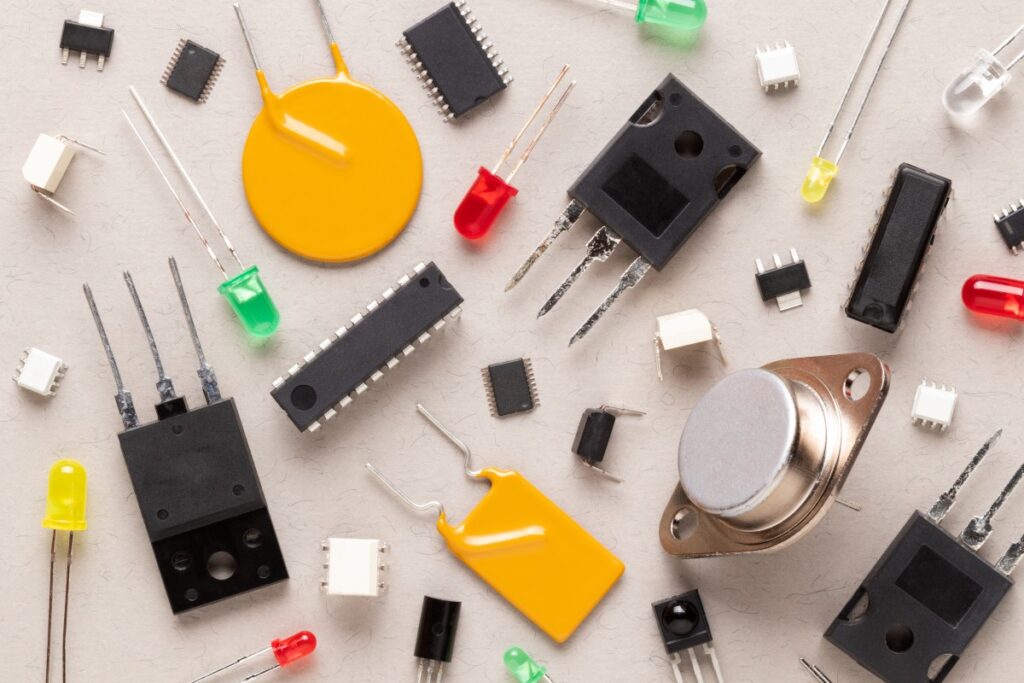
Insights from White Horse Laboratories, July 2025
In July 2025, White Horse Laboratory continued to provide comprehensive testing services for a wide range of electronic components and manufacturers worldwide. This month’s report highlights key trends, quality risks, and actionable insights to help industry stakeholders make informed decisions.
Key Insights at a Glance
Overall Quality Trends
The overall market quality remains robust, with 84.7% of tested samples deemed acceptable. However, the proportion of unacceptable results rose to 9.5%, up from 8.1% in June, signaling potential risks that warrant attention. Additionally, 5.7% of samples were flagged for further analysis, indicating concerns that could impact long-term reliability.

Device Categories: What Was Tested?
Last month, FPGAs, memory devices, and MCUs were among the most frequently tested components, reflecting their critical role in high-performance computing, communication infrastructure, and industrial control. These categories are in high demand due to the rapid expansion of AI, 5G networks, and smart manufacturing.

Notably, power-related components, particularly rectifiers, emerged as a significant outlier, topping the failure rate rankings. This trend suggests potential inconsistencies in production or supply chain disruptions affecting certain batches.

Device Types with Highest Failure Rates
- Rectifiers led the failure rate rankings, followed by discrete semiconductor products and passive-resistor components.
- DSP chips and converters also showed elevated failure rates, though not as pronounced as rectifiers.
Manufacturer-Specific Trends
- Panasonic Electronic, TDK Corporation, and Lattice had the highest failure rates among manufacturers, though it’s important to note that this does not reflect their overall quality but may indicate batch-specific issues.
- Mainstream brands like Texas Instruments, Analog Devices, and Infineon maintained stable performance, reinforcing their reputation for reliability.

Testing Methodologies: What’s Keeping Components in Check?
External Visual Inspection (EVI) remained the most common test, accounting for 29.1% of all inspections. This underscores the importance of identifying surface-level defects and irregularities as the first line of defense against counterfeit or substandard components.
- X-ray inspection (18%) and functional testing (17.4%) were critical for detecting internal defects and verifying functionality.
- Decapsulation and die analysis (16.1%) provided deeper insights into component integrity, particularly for high-risk devices.

Supply Chain Diversity and Risks
The data reveals a diverse supplier landscape, with 37.2% of tested devices coming from over 200 different brands. While this diversity supports market resilience, it also introduces variability in quality.
- Texas Instruments dominated the tested sample pool, followed by Analog Devices, Xilinx, Infineon, and STMicroelectronics.
- Smaller manufacturers contributed significantly to the “Others” category, highlighting the need for rigorous vetting, especially for less-established suppliers.

Actionable Recommendations for Procurement Teams
- Prioritize Testing for High-Risk Components: Given the elevated failure rates in rectifiers, DSP chips, and passive components, we recommend enhanced scrutiny during procurement, particularly for power-related devices.
- Leverage Comprehensive Testing: Utilize a combination of EVI, X-ray, and functional testing to mitigate risks early in the supply chain.
- Monitor Supplier Performance: While mainstream brands generally perform well, batch-specific issues can arise. Regularly review supplier quality data and consider diversifying sources for critical components.
- Stay Ahead of Emerging Risks: The increase in unacceptable results suggests accumulating risks. Proactive testing and supplier audits can help identify issues before they impact production.
Your Turn: Share Your Observations
Have you encountered quality fluctuations in rectifiers, DSP chips, or other power-related components in recent procurements? We’d love to hear your experiences and insights.
- What testing methods do you prioritize for high-risk components?
- Are there specific manufacturers or device types you’re watching closely?
Your feedback helps shape future reports and ensures we address the most pressing industry concerns.
Looking Ahead
As global demand for high-performance electronics continues to grow, quality assurance remains a cornerstone of supply chain resilience. White Horse Laboratory is committed to providing data-driven insights to help you navigate these challenges.